The Crossroads Decision: How to Evaluate a Prosecutor's Plea Offer in a Seattle Criminal Case

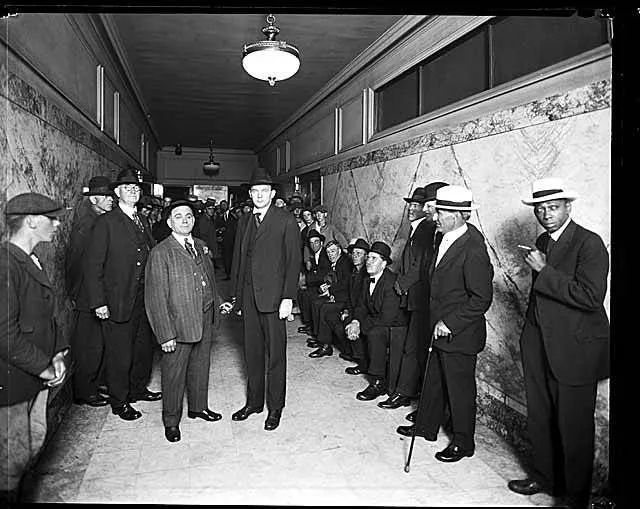
Photo: Whoisjohngalt, CC BY-SA 4.0, via Wikimedia Commons
Few moments in a criminal case carry more weight than the one when a prosecutor slides a plea agreement across the table. For defendants navigating Washington State's court system, that document represents a fork in the road: accept a negotiated outcome or take your chances before a judge or jury. Neither path is inherently right or wrong. The appropriate choice depends on the specific facts of your case, the strength of the evidence, and the realistic consequences of each option.
This article is designed to help Seattle defendants and their families understand how plea bargaining works, what trade-offs are genuinely at stake, and what framework a skilled criminal defense attorney should apply when advising you on this pivotal decision.
What Is a Plea Bargain, and How Does It Work in Washington State?
A plea bargain is a negotiated agreement between the prosecution and the defense in which a defendant agrees to plead guilty—typically in exchange for some form of leniency. That leniency can take several forms:
- Charge reduction: The prosecutor agrees to dismiss a more serious charge in favor of a lesser one. For example, a felony assault charge might be reduced to a misdemeanor.
- Sentence recommendation: The prosecutor agrees to recommend a lighter sentence to the judge, though the court retains final discretion.
- Count dismissal: In cases involving multiple charges, prosecutors may agree to drop certain counts entirely in exchange for a guilty plea on others.
In Washington State, plea negotiations typically occur after arraignment and can continue right up to—and sometimes during—trial. King County prosecutors operate under specific charging and disposition guidelines, and experienced local defense attorneys understand how those internal policies shape the offers that defendants receive.
It is important to note that a judge must formally accept any plea agreement. During the plea colloquy, the court will verify that you are entering the plea voluntarily, that you understand the rights you are waiving, and that a factual basis exists for the guilty plea.
What You Give Up When You Accept a Plea
Accepting a plea bargain is not simply a matter of getting a lighter sentence. By pleading guilty, you surrender significant constitutional protections, including:
- The right to a trial by jury
- The right to confront and cross-examine witnesses against you
- The right to remain silent and require the government to prove its case
- The right to present your own witnesses and evidence
Perhaps more significantly, a guilty plea—even to a reduced charge—creates a criminal record. Depending on the offense, that record can affect employment prospects, professional licenses, immigration status, housing eligibility, and a range of other civil consequences that extend well beyond the courtroom. Defendants should never evaluate a plea offer solely on the basis of the immediate sentence without carefully examining its long-term collateral implications.
When Accepting a Plea May Serve Your Interests
Strategic plea negotiation is a legitimate and often prudent component of criminal defense. There are circumstances in which accepting a well-negotiated offer represents the most rational course of action:
The evidence is substantial. If the prosecution holds strong physical evidence, credible eyewitnesses, or documented digital records that would be difficult to challenge at trial, the risk calculus shifts meaningfully toward negotiation. Going to trial with a weak evidentiary position can result in conviction on the original—and more serious—charges.
The reduced charge carries significantly lower consequences. When a plea agreement converts a felony to a misdemeanor, or eliminates charges that carry mandatory minimum sentences, the difference in real-world outcomes can be dramatic. Avoiding a felony record, for instance, may preserve professional licensing eligibility or prevent deportation for non-citizen defendants.
Personal circumstances favor certainty. Some defendants have compelling personal reasons—family responsibilities, health concerns, employment obligations—that make the uncertainty of trial deeply disruptive. A negotiated resolution, while imperfect, provides a defined outcome on a predictable timeline.
When Fighting at Trial May Be the Wiser Course
Conversely, there are equally legitimate reasons why a defendant should reject a plea offer and proceed to trial:
Suppression issues exist. If your defense attorney has identified credible grounds to challenge the admissibility of key evidence—an unlawful search, a Miranda violation, an improperly obtained confession—the prosecution's case may be far weaker than it initially appears. Evidence that gets suppressed cannot be used at trial, and prosecutors sometimes extend plea offers precisely because they are uncertain whether their evidence will survive a suppression hearing.
The offer fails to reflect the actual risk. Some plea offers are not meaningfully better than the likely trial outcome. If a prosecutor offers a sentence nearly as severe as what a conviction at trial would likely produce, the incentive to accept is limited—particularly if you have viable defenses.
The charges are factually contested. If you maintain your innocence and credible evidence supports your position, accepting a guilty plea means formally admitting to conduct you did not commit. That is a decision with profound personal and legal consequences, and it should never be made under pressure or out of fear alone.
Framework Questions to Discuss With Your Defense Attorney
Before responding to any plea offer, your criminal defense attorney should help you work through a structured evaluation. Consider the following questions as a starting framework:
-
What is the realistic probability of conviction at trial given the current evidence? Your attorney should give you an honest, candid assessment—not an optimistic one designed to encourage you toward trial.
-
What are the sentencing ranges under both scenarios? Compare the likely sentence under the plea agreement to the probable sentence following a trial conviction, accounting for Washington's Sentencing Reform Act guidelines and any applicable enhancements.
-
Are there viable pretrial motions that could change the case? Suppression motions, motions to dismiss, and other pretrial challenges can fundamentally alter the strength of the prosecution's position before any plea decision is finalized.
-
What are the collateral consequences specific to your situation? Immigration status, professional licenses, firearms rights, and sex offender registration requirements all vary by charge. Understanding these downstream effects is essential before signing any agreement.
-
Is the offer time-sensitive, and what is driving that deadline? Prosecutors sometimes impose artificial urgency on plea offers. Understanding whether a deadline is genuine—or a negotiating tactic—can inform how quickly you need to respond.
The Role of Experienced Seattle Defense Counsel
Plea bargaining is not a passive process. Skilled defense attorneys in Seattle actively shape the offers defendants receive by building a credible defense narrative early, filing well-researched pretrial motions, and demonstrating to prosecutors that the case will be vigorously contested at trial. Prosecutors are more likely to extend favorable terms when they understand that the defense is prepared, capable, and willing to litigate.
The decision to accept or reject a plea offer ultimately belongs to you—not your attorney. However, that decision should be made with complete information, clear-eyed analysis, and the guidance of counsel who has fully investigated your case and honestly assessed every available option.
If you are facing criminal charges in Seattle and a plea offer is on the table, consulting with an experienced criminal defense attorney is not optional—it is essential. The stakes are too high, and the decision too consequential, to navigate alone.