Proving You Were Somewhere Else: How Washington Defense Attorneys Build Airtight Alibi Cases

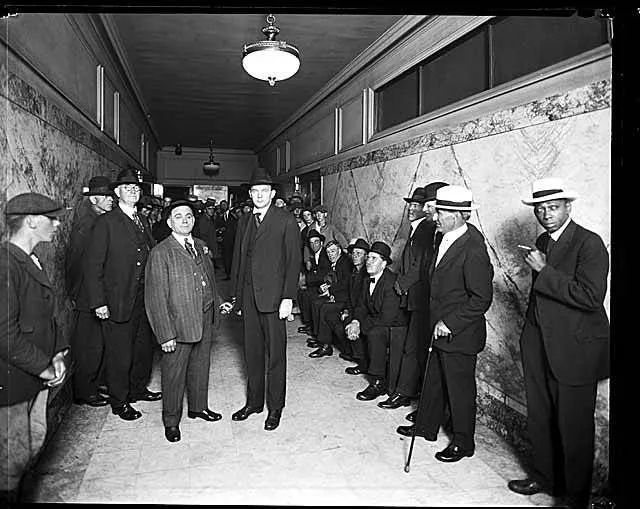
Photo: New America, CC BY 3.0, via Wikimedia Commons
An alibi defense sounds deceptively simple: you were somewhere else when the alleged crime took place. Yet in Washington courtrooms, simply asserting that fact is rarely enough. Prosecutors are trained to dismantle loosely constructed timelines, and jurors are conditioned to treat alibi claims with skepticism — particularly when the evidence supporting them is thin, inconsistent, or introduced too late. Building a credible alibi defense requires far more than a friend willing to vouch for your whereabouts. It demands a disciplined, evidence-first approach that begins the moment you retain counsel.
What an Alibi Defense Actually Requires in Washington State
Under Washington law, an alibi is not merely a story — it is a body of evidence designed to establish that the defendant could not have committed the charged offense because they were in a different location at the relevant time. The defense does not bear the burden of proving the alibi beyond a reasonable doubt. Rather, the goal is to introduce enough credible evidence to create reasonable doubt in the minds of jurors about the prosecution's account.
Washington's court rules also impose procedural obligations. Under CrR 4.7, defendants who intend to rely on an alibi defense must provide advance written notice to the prosecution, identifying the specific location where they claim to have been and the witnesses they intend to call. Failure to comply with this disclosure requirement can result in witnesses being excluded at trial. This procedural reality underscores why alibi preparation must begin early — often within days of an arrest, not weeks before trial.
Starting With Documentation: The Evidentiary Foundation
Before a single witness is interviewed, a thorough alibi investigation focuses on documentary evidence. Physical records are often more persuasive than human memory, and they are considerably harder for opposing counsel to impeach. Your defense attorney and any retained investigators will typically seek to identify and preserve:
- Electronic transaction records: Credit card receipts, ATM withdrawals, rideshare trip logs, and online purchase confirmations all carry timestamps that can anchor your location at a specific moment.
- Digital footprints: Cellphone location data, GPS records from vehicle navigation systems, and metadata embedded in photographs or social media posts can corroborate a claimed whereabouts with remarkable precision.
- Surveillance footage: Businesses, transit stations, parking garages, and residential buildings throughout Seattle operate camera systems that may have captured your presence at a relevant time and place. Critically, this footage is often overwritten within days or weeks, making prompt preservation requests essential.
- Employment and institutional records: Clock-in logs, badge access records, attendance sheets, and appointment calendars from employers, medical offices, or educational institutions can provide authoritative confirmation of your location.
- Communication records: Phone call logs, text message timestamps, and email activity can help establish a coherent picture of your movements and interactions during the period in question.
The window for gathering this evidence is narrow. Defense attorneys who move quickly can often secure records that would otherwise be lost to routine data deletion or institutional record-retention policies.
Identifying and Evaluating Alibi Witnesses
Once the documentary foundation is established, attention turns to witnesses who can personally testify to your presence at a specific location. Not every potential witness is equally valuable, and part of effective alibi preparation involves an honest assessment of each person's credibility, reliability, and vulnerability to cross-examination.
Prosecutors routinely challenge alibi witnesses on the basis of their relationship to the defendant. A close family member or romantic partner who claims to have been with the defendant at the critical time will face pointed questions about their motivation to lie. This does not mean family members cannot serve as alibi witnesses — it simply means their testimony is most effective when it is corroborated by independent evidence or supported by disinterested witnesses who have no personal stake in the outcome.
The most persuasive alibi witnesses tend to be individuals with no prior relationship to the defendant: a cashier who remembers a transaction, a neighbor who noticed your car in the driveway, a coworker who recalls a specific conversation. These witnesses carry inherent credibility precisely because they have no obvious reason to fabricate or shade their recollections.
Defense investigators play a critical role in this phase of preparation. Canvassing the area where the defendant claims to have been, speaking with potential witnesses before memories fade, and documenting what each person observed helps defense counsel evaluate which witnesses to call and how to sequence their testimony for maximum impact.
Common Mistakes That Undermine Alibi Defenses
Even defendants who genuinely have strong alibis sometimes damage their own cases through avoidable errors. Among the most consequential:
Providing inconsistent accounts early in the process. Statements made to police in the hours following an arrest — before an attorney is involved — often contain imprecise details that prosecutors later use to suggest fabrication. Small discrepancies in recalled times, locations, or the names of people present can be magnified at trial to cast doubt on the entire defense.
Waiting too long to preserve evidence. Surveillance footage disappears. Witnesses move or forget details. Transaction records may require legal process to obtain, and that process takes time. Defendants who delay retaining counsel often find that the most compelling pieces of their alibi have become unavailable.
Relying exclusively on a single witness. A defense built on one person's testimony is inherently fragile. If that witness is effectively impeached — or simply not believed — the alibi collapses. Layering multiple independent sources of corroboration significantly strengthens the defense.
Failing to account for the full timeline. Prosecutors will scrutinize not just whether you were at a specific location, but whether you could have traveled from that location to the crime scene within the relevant timeframe. A credible alibi defense must account for travel times, route logistics, and any gaps in the documented timeline.
How Defense Counsel Coordinates the Alibi Strategy
An experienced Seattle criminal defense attorney approaches alibi preparation as a collaborative, investigative process. Rather than simply accepting a client's account at face value, skilled counsel stress-tests the narrative — identifying weaknesses before the prosecution does and developing responses to anticipated challenges.
This preparation involves close coordination between the attorney, any retained private investigators, and in some cases, expert witnesses such as digital forensics specialists or GPS data analysts who can explain technical evidence to a jury in accessible terms. It also involves careful witness preparation, ensuring that each alibi witness understands the scope of their testimony and is ready to respond to cross-examination without becoming flustered or contradictory.
The goal is not to fabricate a defense but to present the truth as clearly and compellingly as the evidence allows. When the facts genuinely support an alibi, a well-prepared defense attorney can transform that factual reality into a structured, persuasive argument that gives jurors concrete reasons to doubt the prosecution's narrative.
The Stakes Are Too High to Leave This to Chance
In Washington State criminal cases, an alibi defense that is poorly prepared can actually harm a defendant's credibility — leaving jurors with the impression that the story was invented rather than simply inadequately documented. The inverse is equally true: a meticulously assembled alibi, supported by independent evidence and credible witnesses, can be among the most powerful tools available to the defense.
If you are facing criminal charges in Seattle or the surrounding area and believe an alibi defense may be available to you, the time to act is now. The attorneys listed through Seattle Defense Attorneys represent clients across a wide range of criminal matters and understand the investigative urgency that effective alibi preparation demands. Consulting with experienced defense counsel as early as possible gives your case the strongest possible foundation.