The Road from Handcuffs to Verdict: A Step-by-Step Guide to Washington State's Criminal Court Process
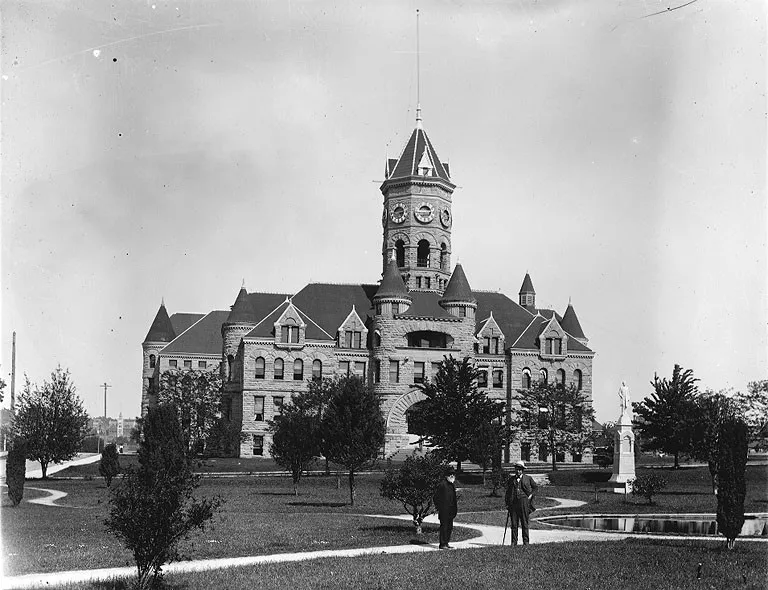
Photo: Albert Henry Barnes, Public domain, via Wikimedia Commons
For most people, an arrest is a disorienting and frightening experience. The criminal justice system can feel opaque, moving at its own pace while the defendant and their family struggle to understand what is happening and what comes next. In Washington State, the process from arrest to resolution follows a defined sequence of stages — each with its own rules, rights, and deadlines. Understanding that sequence is one of the most valuable things a defendant can do to actively participate in their own defense.
This guide is designed to provide a clear, stage-by-stage overview of how criminal cases proceed in Washington, with particular attention to the procedural windows that attorneys and defendants cannot afford to miss.
Stage One: The Arrest and Initial Detention
A Washington State criminal case typically begins with an arrest — either at the scene of an alleged offense, pursuant to a warrant, or following a law enforcement investigation. At the moment of arrest, certain constitutional protections immediately come into play.
You have the right to remain silent. You have the right to an attorney. These are not formalities — they are substantive protections that, if exercised promptly, can significantly limit the prosecution's evidence. Statements made to officers before counsel is present are admissible and frequently used against defendants. The most important action any arrested person can take is to invoke these rights clearly and immediately, then stop speaking.
Following arrest, a defendant is typically booked into a county jail facility. In King County, this means the Maleng Regional Justice Center in Kent or the King County Correctional Facility in downtown Seattle, depending on the nature and location of the offense.
Critical Deadline: Washington law requires that a defendant be brought before a judge for a preliminary appearance within 48 hours of a warrantless arrest, excluding Sundays and legal holidays.
Stage Two: The Preliminary Appearance and Bail Determination
The preliminary appearance — sometimes called the initial appearance — is the defendant's first formal contact with the court. At this hearing, a judge will:
- Inform the defendant of the charges against them
- Advise them of their constitutional rights
- Determine conditions of release, including whether bail will be set and in what amount
Bail decisions in Washington are governed by the principle that defendants should be released under the least restrictive conditions necessary to ensure their appearance at future hearings and protect community safety. Factors the court considers include the severity of the alleged offense, the defendant's prior criminal history, ties to the community, and flight risk.
Having an attorney present at this stage — even if only for the bail hearing — can materially affect the conditions of release. An experienced defense attorney can argue persuasively for lower bail or release on personal recognizance, keeping the defendant out of custody while the case proceeds.
Stage Three: Arraignment
The arraignment is the formal proceeding at which the defendant enters a plea in response to the charges. In Washington, arraignment must occur within 14 days of the preliminary appearance for defendants who are in custody, and within 14 days for those released — though specific timelines can vary depending on the court and the classification of the offense.
Most defendants enter a plea of not guilty at arraignment, which is the standard strategic approach regardless of the underlying facts. Entering a not guilty plea preserves all defense options and allows the case to move into the pretrial phase, where the most significant legal work is done.
Stage Four: Pretrial Proceedings and Discovery
The pretrial phase is often where criminal cases are won or lost — though it receives far less attention in popular culture than the dramatic courtroom trial. During this stage:
Discovery is exchanged between the prosecution and defense. The State is constitutionally required to disclose all material evidence, including evidence that may be favorable to the defendant (Brady material). Defense attorneys review police reports, witness statements, surveillance footage, forensic analyses, and any other evidence the prosecution intends to use.
Pretrial Motions allow the defense to challenge the admissibility of evidence before it ever reaches a jury. Common motions include:
- Motions to Suppress — challenging evidence obtained through unlawful searches or seizures
- Motions to Dismiss — arguing that the charges lack legal or evidentiary basis
- CrR 3.5 Hearings — challenging the admissibility of statements made by the defendant
Successful pretrial motions can dramatically alter the trajectory of a case. Evidence suppressed at this stage cannot be used at trial, which may leave the prosecution without a viable case.
Critical Deadline: Speedy trial rules in Washington impose strict time limits on how long a defendant can be held without trial. Under CrR 3.3, defendants in custody must generally be brought to trial within 60 days of arraignment; those not in custody have 90 days. Failure by the prosecution to comply can result in dismissal of the charges.
Stage Five: Plea Negotiations
The vast majority of criminal cases in Washington — as in the rest of the United States — resolve through negotiated plea agreements rather than trial. A plea agreement typically involves the defendant agreeing to plead guilty to a reduced charge or to the original charge in exchange for a recommended sentence.
Whether to accept a plea offer is one of the most consequential decisions a defendant will make. It requires a thorough understanding of the strength of the prosecution's evidence, the potential consequences of conviction at trial, and the specific terms being offered. This is a decision that should never be made without the guidance of an attorney who has reviewed all available evidence and assessed the realistic prospects at trial.
Stage Six: Trial
If no plea agreement is reached, the case proceeds to trial. In Washington, defendants charged with serious offenses have the right to a jury trial. Jury selection — the voir dire process — precedes the presentation of evidence and can itself be a strategic opportunity to shape the composition of the decision-making body.
At trial, the prosecution bears the burden of proving every element of the charged offense beyond a reasonable doubt. The defense is not required to present any evidence or call any witnesses. Defense strategy at trial may focus on undermining the credibility of prosecution witnesses, challenging the reliability of physical or forensic evidence, presenting an affirmative defense, or simply holding the prosecution to its burden.
Stage Seven: Sentencing and Post-Conviction Options
If a defendant is convicted — either at trial or through a guilty plea — the case proceeds to sentencing. Washington uses a structured sentencing system for felony offenses, guided by the Sentencing Reform Act. The standard range is determined by the offense seriousness level and the defendant's prior criminal history, though departures from that range are possible under specific circumstances.
Following sentencing, defendants retain the right to appeal. Grounds for appeal may include legal errors during trial, ineffective assistance of counsel, or newly discovered evidence. Appellate deadlines are strict and must be observed precisely.
The Overarching Lesson: Time Is Not on Your Side
Every stage of the Washington criminal process carries deadlines that, once missed, can permanently foreclose important legal options. Evidence preservation, witness memories, and procedural rights all erode with time. The earlier a qualified criminal defense attorney is retained, the greater the range of strategies available.
If you or someone you care about has been arrested in Seattle or the surrounding King County area, do not wait. The clock starts running at the moment of arrest, and experienced legal counsel is the most effective tool available for navigating what comes next.